
Photo by 金 运 on Unsplash
Dollar cost averaging means investing a fixed amount on a fixed schedule regardless of price. It is sound advice, it is repeated everywhere, and it describes two completely different situations that get treated as one.
In one of them it is not a strategy at all. In the other, the evidence says it usually costs you money, and it may still be the right choice. Separating the two is the whole point of this piece.
Situation One: Money Arriving Over Time
You are paid monthly and you invest part of each paycheck. People call this dollar cost averaging, but there is no alternative being rejected. You cannot invest money you have not yet received.
This is just investing, and it is the version that deserves the unqualified praise. It is automatic, it removes the decision, and the decision is where most damage happens.
Situation Two: A Lump Sum You Already Hold
A bonus, an inheritance, proceeds from a sale. Here you genuinely choose: put it in now, or spread it over the next twelve months. This is the only case where dollar cost averaging is a decision, and here the research is not on its side.
Vanguard examined this across US, UK and Australian markets going back to 1926. Investing immediately beat spreading it over twelve months roughly two-thirds of the time, with an average advantage of a couple of percentage points over the year.
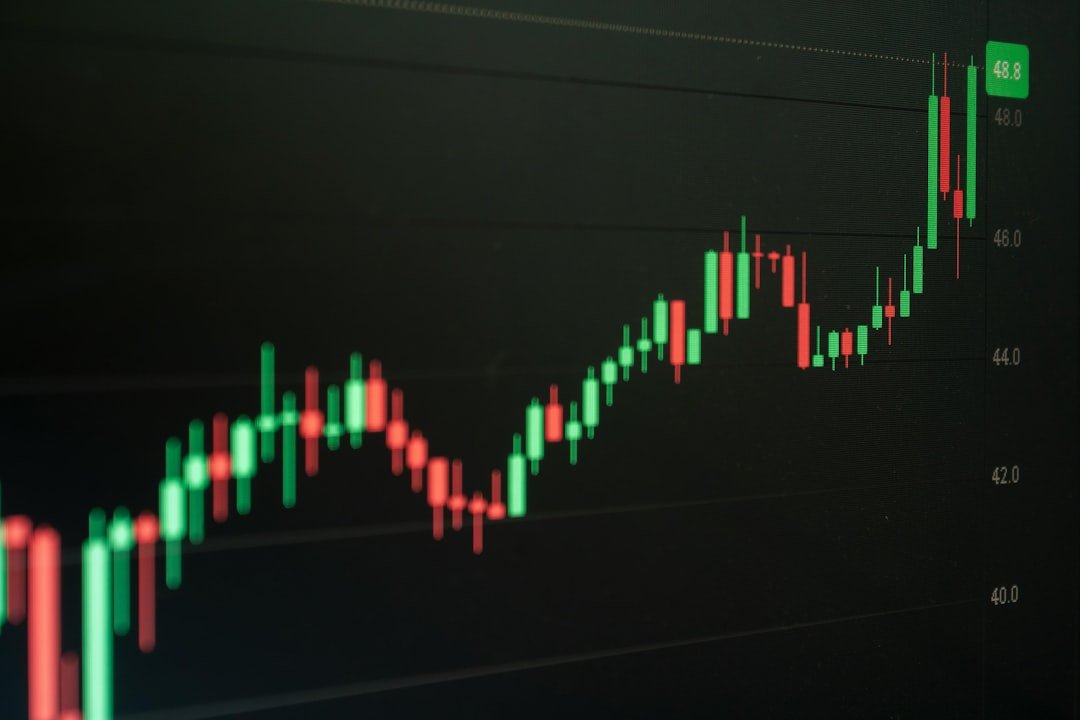
Photo by Arturo Añez on Unsplash
Averaging is not primarily a return strategy. It is insurance against your own behaviour.
Why the Losing Strategy Is Often Still Correct
Here is where most write-ups stop, having declared lump sum the winner, and here is where they are least useful.
Averaging is not primarily a return strategy. It is insurance against your own behaviour. Losses are felt more sharply than equivalent gains, which is why watching a lump sum drop fifteen percent in month two produces an urge to sell that a spreadsheet does not model.
An investor who phases in and stays invested beats one who invests everything at once and panics out at the bottom. That comparison is missing from every study, because it is a fact about you rather than about markets.
Photo by Eric Rothermel on Unsplash
Choosing Between Them
| Your situation | Reasonable approach |
|---|---|
| Investing from each paycheck | Automate it and stop thinking about it |
| Lump sum, experienced, steady nerves | Invest it now; the odds favour it |
| Lump sum, first significant investment | Spread over 6 to 12 months for the behavioural cover |
| Lump sum you may need within two years | Neither. That money should not be invested |
| Waiting for a better entry point | This is timing the market, not averaging |
That last row is the common failure dressed in respectable clothing. Averaging means a fixed schedule you set in advance and follow mechanically. Deciding each month whether conditions look good is a different activity with a worse record.

Photo by Vitaly Gariev on Unsplash
The worst outcome is not suboptimal timing. It is abandoning the plan.
What Averaging Does Not Do
It does not reduce the risk of a bad investment. Buying a declining asset steadily produces a lower average cost and a loss. The schedule protects against buying everything at a peak; it protects against nothing else.
It also does not require a market view. If you find yourself pausing contributions because things look uncertain, the mechanism has stopped working, since the months that feel worst to buy in are historically the ones that mattered most.
Where the money sits matters alongside how it gets there, and tax-advantaged accounts change the arithmetic; that side is covered in What Is a Roth IRA.
FAQ: Frequently Asked Questions
Is dollar cost averaging better than investing a lump sum?
Historically no, on returns. Vanguard’s research found investing immediately outperformed roughly two-thirds of the time. Averaging can still be the better choice if it stops you abandoning the plan.
How long should I spread a lump sum over?
Six to twelve months is the usual range. Longer means more time out of the market, which increases the expected cost of the approach.
Does it protect me from losing money?
Only from the specific risk of investing everything immediately before a fall. It offers no protection against a poor investment that keeps declining.
Should I pause when the market drops?
Pausing converts a schedule into a series of judgement calls, which is the thing averaging exists to avoid. The mechanism depends on being followed mechanically.
General information, not investment advice, and I am not a financial professional. Historical results do not predict future returns, and the research cited covers specific markets and periods. Consider your own circumstances and take qualified advice before acting.