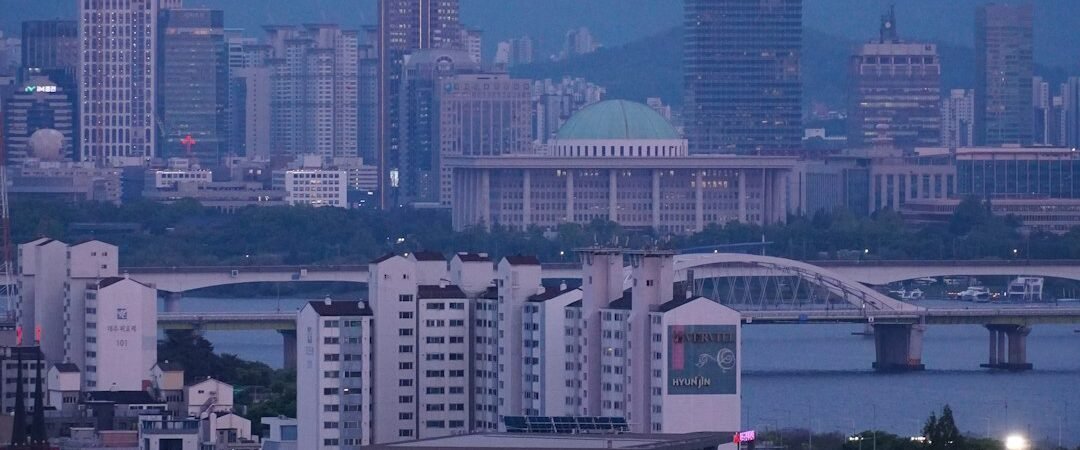
Photo by IRa Kang on Unsplash
Korea’s 2027 budget proposal, released on September 1, 2026, totals 821 trillion won, roughly $597 billion, and it is the largest year-on-year increase the country has ever put forward: 12.8 percent more than 2026. Most coverage led with the AI and semiconductor spending inside it. What got less attention is where the extra money to pay for that spending actually came from, and it is a more interesting story than “the government decided to spend more.”
Corporate tax receipts in the new budget are projected at 216.7 trillion won, more than double the prior figure. The government’s own framing, and outlets covering it, trace that surge directly to Samsung Electronics and SK Hynix, whose profits have surged on demand for the high-bandwidth memory chips that power AI systems. The record budget that funds more AI infrastructure is itself substantially funded by the AI boom’s chip profits. That loop is the actual story.
What’s Actually in the 821 Trillion Won
The headline figure is total spending, not new spending on any one thing. Total revenue is projected at 880.8 trillion won, with tax revenue specifically at 584.4 trillion won, a 40.7 percent jump from the prior year. The breakdown of where that money is planned to go:
| Category | Amount | Change |
|---|---|---|
| Total 2027 budget | 821 trillion won (~$597B) | +12.8% vs 2026, a record |
| Regional development & inequality | 117.1 trillion won | Single largest category |
| Future growth engines | 62.8 trillion won | +22.7% |
| Youth support | 43.3 trillion won | +53.5% |
| Chip-adjacent infrastructure | 21.3 trillion won | +97.2% |
“Chip-adjacent infrastructure” is doing real work in that last row: industrial water systems, power grids, and logistics networks built specifically to support semiconductor manufacturing, not the chip factories themselves. Korea’s fabs already exist. What the budget adds is everything around them.
Where the Extra Money Actually Came From
A 40.7 percent jump in tax revenue in a single year is not something income tax or consumption tax produces on their own. It takes a specific, concentrated windfall, and this one has a name: high-bandwidth memory. Samsung and SK Hynix supply most of the HBM that goes into the AI accelerators built by Nvidia and its competitors, and as AI infrastructure spending has accelerated globally through 2026, so has demand for that memory.
This is worth sitting with for a second, because it inverts the usual framing of “government AI policy.” It is not primarily the state deciding to bet public money on AI and hoping it pays off. A large chunk of the betting already paid off, in the form of tax revenue from a chip export boom that was already happening, and the government is now directing a share of those winnings back into the industry that produced them.
The Money Goes Right Back Into Chips and AI
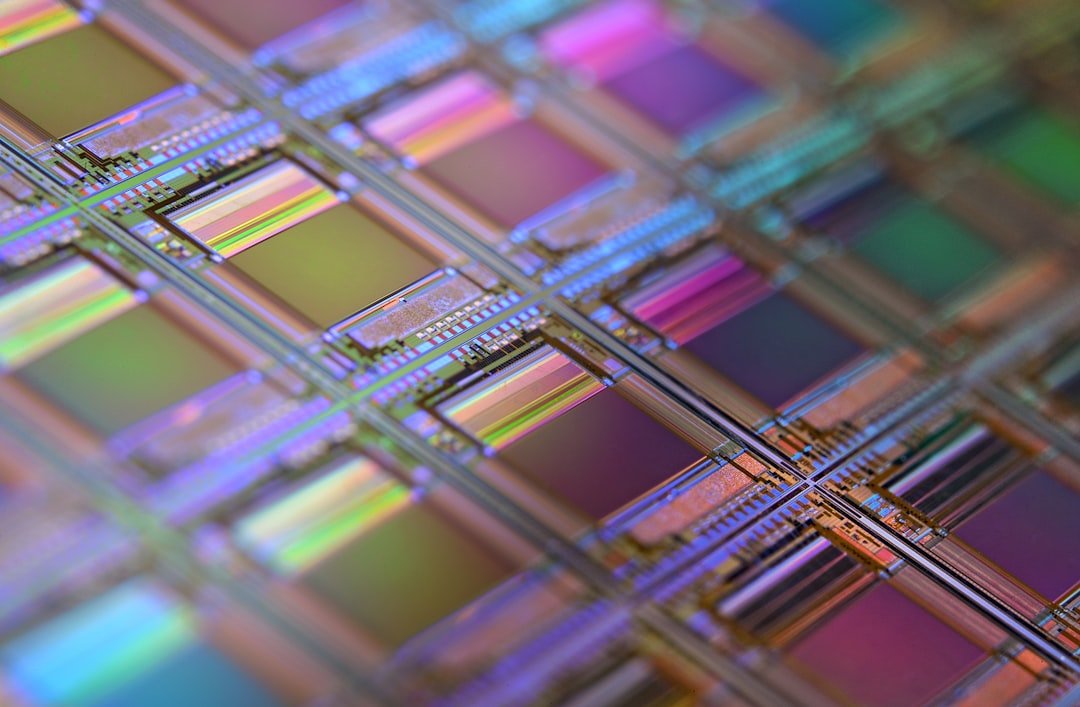
Photo by Laura Ockel on Unsplash
Budget Minister Park Hong-geun described one specific commitment when the plan was unveiled: “We will supply 10,000 graphics processing units, plus data and workers to help a national AI foundation model achieve globally competitive performance.” That is a government building its own sovereign AI compute stack, not just subsidizing private chipmakers.
“We will supply 10,000 graphics processing units, plus data and workers, to help a national AI foundation model achieve globally competitive performance.” (Budget Minister Park Hong-geun)
Separately, the government plans to finish repaying its remaining 1997-98 Asian financial crisis loans within 2027, freeing up fiscal room that previous budgets did not have. Combined with the tax windfall, that is two one-time-ish factors stacking in the same direction, which is part of why 2027’s increase is so much larger than a typical year’s.
This Is the Third Piece of the Same Story
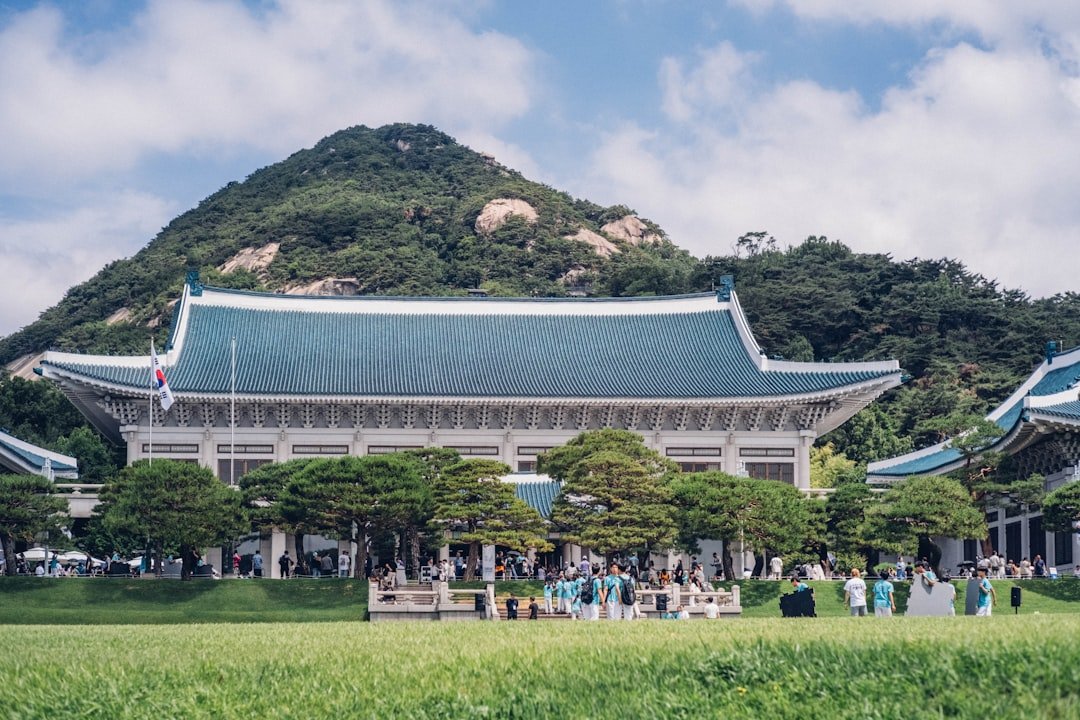
Photo by Bundo Kim on Unsplash
Readers of this site have already seen two other pieces of this. Samsung and SK Hynix’s HBM dominance is the reason chip export profits are large enough to move a national budget. And the country’s decision to build its first new nuclear reactors in 14 years is downstream of the same AI infrastructure buildout the 2027 budget is now funding further. None of these three stories are really separate. They are the same industrial cycle, chip exports, tax revenue, energy demand, and reinvestment, viewed from three different government decisions in the same twelve months.
What a Record Budget Doesn’t Guarantee
This is a proposal, not a passed law. It still has to clear South Korea’s National Assembly, where opposition parties can and do trim or reshuffle line items before a final budget is enacted, typically in December. The 821 trillion won figure is the government’s opening position, not a guaranteed final number.
There is also a tension inside the government’s own statements worth naming. President Lee Jae-myung, discussing the broader economy around the same announcement, warned that “the economy is at a point where an interest rate rise is unavoidable, potentially weighing on growth as vulnerable households grapple with higher borrowing costs.” A government simultaneously running its largest-ever spending increase and warning about rate-driven household strain is not a contradiction exactly, but it is a real balancing act, not a straightforward growth story.
FAQ: Frequently Asked Questions
How big is South Korea’s 2027 budget?
821 trillion won, or roughly $597 billion, proposed on September 1, 2026. It is a 12.8 percent increase over 2026 and the largest year-on-year jump in the country’s budget history.
Why did Korea’s tax revenue jump so much?
Corporate tax receipts are projected to more than double, to 216.7 trillion won, driven substantially by Samsung Electronics and SK Hynix’s profits from high-bandwidth memory chips used in AI hardware.
How much of the 2027 budget goes to AI and semiconductors?
21.3 trillion won is allocated to infrastructure supporting chip manufacturing (water, power, and logistics systems), a 97.2 percent increase from 2026. Separately, the government committed to supplying 10,000 GPUs toward a national AI foundation model.
Is this budget final?
No. It is a government proposal that must pass South Korea’s National Assembly, which can amend individual line items before final enactment, typically in December.
Figures are drawn from South Korea’s Ministry of Economy and Finance budget announcement on September 1, 2026, as reported by the Korea Times, Reuters, and TechRepublic. This is a proposal subject to National Assembly review, and specific allocations may change before final passage.